Boston Dynamics launches Stretch Gen 2, rebuilt from 100,000 hours of field data
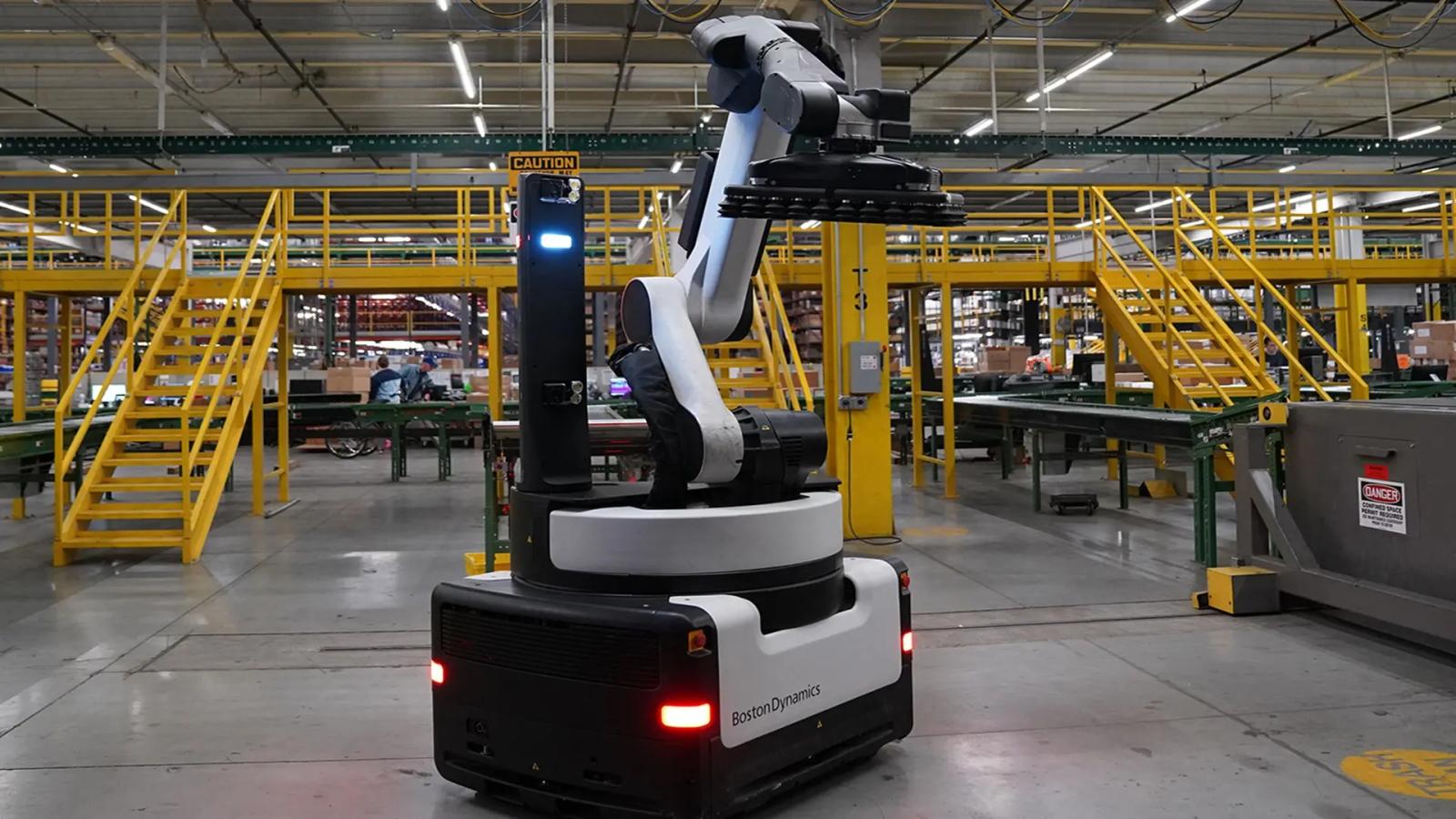
Boston Dynamics has released the second generation of its Stretch trailer unloading robot. The redesign targets the faults that kept first-generation units off the dock.
Key takeaways
- Boston Dynamics launched Stretch Gen 2 on 3 November 2026, drawing on more than 100,000 operating hours from the first-generation fleet.
- The robot unloads up to 1,000 cases an hour and runs for two shifts on one battery.
- Internal cabling is down 81%, and a full drive swap now takes about an hour rather than a day.
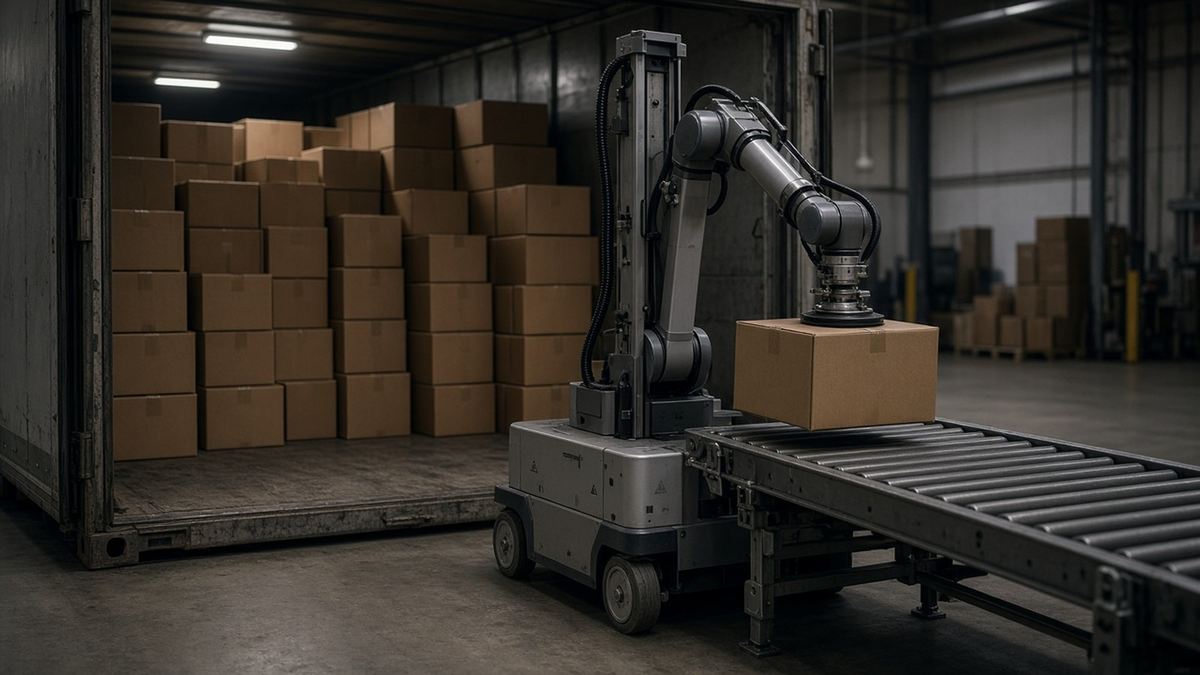
The trailer unloading robot market has a new benchmark. Boston Dynamics has launched Stretch Gen 2, a rebuilt version of its box-handling machine designed to spend less time out of service.
The company announced the robot on 3 November 2026 from Boston. Engineers studied data from more than 100,000 hours of operation, along with tens of millions of boxes the first-generation fleet has already moved, to find what caused unplanned stoppages.
What Stretch Gen 2 changes in the trailer unloading robot
Most of the work went into reliability. Boston Dynamics said the new model uses automotive-grade connectors built to cope with constant vibration from fast box handling and rough warehouse floors.
The gripper has new valves and finer sensing for more accurate picks. Joints now rotate continuously past 360°, so they no longer strike the mechanical stops that added wear on the original design.
The biggest single change is wiring. Cabling inside the robot has been cut by 81%, which Boston Dynamics put at roughly half a mile. The company described wiring as the main source of intermittent electrical faults on earlier units.
Small details matter on a busy dock too. The emergency stop is now lower and recessed, and the outer panels use new materials, so a falling box is less likely to trigger a safety stop or crack the casing.
Faster servicing on the dock
When repairs are needed, they should take less time. Replacing the full swerve drive, the wheel unit that moves the robot, now takes about an hour, compared with a full day before.
Boston Dynamics removed dynamic cables and complex harnesses and standardised its fasteners to reduce tool changes. New onboard diagnostics let a customer's own maintenance staff carry out more routine work without waiting for outside engineers.
Leadership on the launch
Brian Donnelly leads the programme as Vice President and General Manager of Logistics Robotics at Boston Dynamics, where he is responsible for Stretch and the Atlas humanoid. He previously spent nearly 20 years in leadership roles at chipmaker Analog Devices and holds an electrical and computer engineering degree from Worcester Polytechnic Institute.
Donnelly said
How the trailer unloading robot performs
Stretch Gen 2 handles up to 1,000 cases an hour. Boston Dynamics said real rates depend on case weight and how tidily a trailer is packed, and a multipick mode lets the robot lift several boxes at once to reach peak speed.
A single charge covers two shifts, and a fast charger restores 90% in about 75 minutes. Built-in lighting allows it to work inside dark trailers.
The robot also runs on a new onboard computer. Its pre-trained vision system recognises most packages from the first day with no programming, and regular software releases improve detection, motion planning and pick strategy across a whole fleet without hardware changes.
Why demand for robotic unloading keeps growing
Stretch first went on sale in March 2022, with DHL Supply Chain as its first commercial customer. Boston Dynamics now said Stretch has more deployments than any competing product in logistics.
DHL has since deepened its commitment. In May 2025, DHL Group signed a memorandum of understanding with Boston Dynamics covering more than 1,000 additional units worldwide, and it reported unloading rates of up to 700 cases an hour from its deployments. DHL also said it had invested more than €1 billion in automation in its contract logistics division over the previous three years.
Unloading floor-loaded trailers is heavy, repetitive work, often in hot or cold conditions. DHL said its Stretch deployments had raised employee satisfaction by reducing that physical strain.
What comes next for Stretch
Boston Dynamics did not disclose pricing for Stretch Gen 2, a shipping date or which customers will receive the first units. It also has not said whether first-generation robots can be upgraded.
DHL has named case picking as its next priority for Stretch, which would take the robot beyond the trailer and further into the warehouse.
The event
AUTONOMOUS 2027
The conference behind this reporting. Two stages of founders, engineers and investors building robotics and physical AI, in one room for a day.